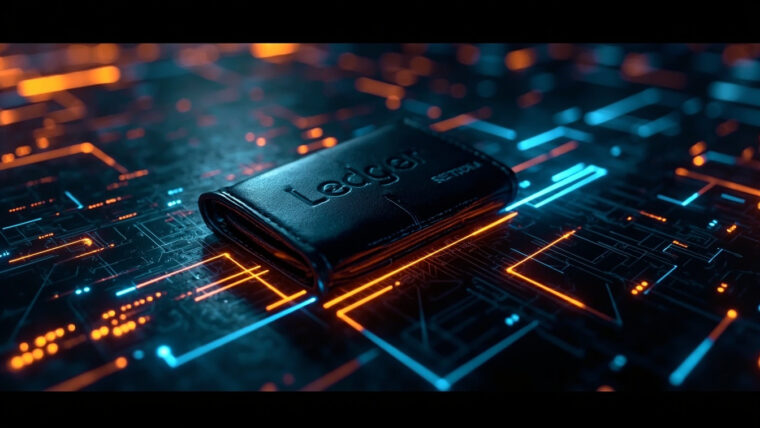
A recent Ledger security breach has sent ripples through the crypto community. The France-based hardware wallet manufacturer is now investigating reports of stolen funds from users who purchased signing devices through a Southeast Asian reseller. What makes this case particularly alarming is the discovery of physical implants inside some of these devices, suggesting a sophisticated supply chain attack targeting crypto holders.
What Happened in the Ledger Security Breach?
According to reports, several users who bought Ledger devices from a Malaysia-based reseller discovered that their funds had been stolen. The investigation took a serious turn when physical implants were found inside some of the compromised devices. These tiny hardware modifications are essentially malicious components that can intercept or manipulate the device’s operations, potentially exposing the private keys — the secret codes that give access to your cryptocurrency.
Think of a hardware wallet like a personal vault for your crypto. A private key is the unique password that only you should know. If someone installs a hidden component inside your vault, they could potentially copy that password without you ever realizing it. This is exactly the kind of risk that has hardware wallet users on high alert.
How Dangerous Is a Hardware Implant Attack?
Hardware implants represent one of the most serious threats in the crypto security landscape. Unlike software hacks that can be patched with updates, a physical implant is a tangible piece of technology that has been deliberately built to compromise your device. Attackers who install these components can potentially:
- Capture your private keys as they are generated or used
- Intercept transaction data before it is signed
- Alter wallet addresses on the device screen to redirect funds
- Bypass security features that Ledger has built into its devices
The fact that this Ledger security breach involves physical tampering highlights why the supply chain — the journey a product takes from factory to your hands — is just as important as the device’s built-in security features.
Is Your Ledger Device Safe?
Ledger has reassured the broader community that this issue appears to be limited to devices purchased through unofficial channels, particularly the Malaysian reseller involved in the investigation. Devices bought directly from Ledger’s official website or through authorized retailers have not been linked to the compromised units.
If you already own a Ledger device, there are several steps you can take to verify its integrity:
- Check the packaging for signs of tampering, such as broken seals or unusual marks
- Verify the device’s authenticity using Ledger’s official verification process when you first set it up
- Update the firmware to the latest version, as updates often patch known vulnerabilities
- Monitor your transactions regularly for any unauthorized activity
For anyone looking to buy a Ledger device, the safest path is always to purchase directly from the official Ledger store or a verified authorized distributor. Avoid third-party marketplaces, especially when prices seem too good to be true.
Lessons for the Crypto Community
This incident is a powerful reminder that self-custody — the practice of holding your own crypto rather than leaving it on an exchange — comes with serious responsibilities. While hardware wallets like Ledger remain one of the most secure ways to store cryptocurrency, they are only as safe as the supply chain that delivers them to you.
For users who hold significant amounts of crypto, consider diversifying your storage strategy. Many experienced holders split their assets across multiple wallets and even multiple devices. You might keep a small amount of crypto for trading on a reputable exchange like Kraken for active use, while keeping the bulk of your holdings in a hardware wallet stored in a secure location. European users looking for a reliable exchange to complement their cold storage setup can also explore options like Bitvavo.
What to Watch Going Forward
Ledger has stated that it is fully cooperating with authorities and conducting its own internal investigation into how these tampered devices entered the market. The company is also working to identify the Malaysia-based reseller and trace the source of the implants.
As the investigation unfolds, the crypto community will be watching closely. Supply chain attacks are likely to become more sophisticated as the value stored in digital assets continues to grow. For now, the best defense is awareness: always buy hardware wallets from official sources, verify your device’s authenticity, and never underestimate the importance of physical security in the digital age.
Final Thoughts
The recent Ledger security breach serves as a wake-up call for every crypto holder. Hardware wallets are an essential tool for anyone serious about protecting their digital assets, but they are not immune to attack — especially when devices are purchased from unverified sellers. Stay vigilant, buy directly from trusted sources, and keep your firmware updated. In the world of crypto, your security is ultimately in your own hands.