-

North Korean Hackers Exploit Drift Protocol: What You Need to Know
The Drift Protocol hack led by North Korean hackers resulted in a significant financial loss. Learn how this attack happened and how to protect your crypto assets.
-

China’s Banks Embrace Blockchain for Lending Transparency
China’s tax authority is advocating for the use of blockchain within banks to enhance lending transparency and efficiency, potentially transforming the financial landscape.
-

Bitgo CEO Advocates Blockchain to Combat Government Fraud
Mike Belshe of Bitgo has proposed using public blockchain as a solution to government fraud. Discover how this technology can monitor state and federal financial systems.
-

Japan Expands Crypto Regulation: 100+ Tokens Approved
Japan’s recent recognition of over 100 crypto tokens marks a significant shift in its regulatory landscape. Discover how this impacts investors in the crypto space.
-

Ant Group Launches Blockchain Platform for AI Transactions
Ant Group has launched a new blockchain platform for AI agents to transact using cryptocurrencies. Discover the implications of this innovative technology in the financial landscape.
-

Solana Foundation Empowers AI With New Toolkit
The Solana Foundation’s new toolkit, Solana Agent Skills, simplifies AI development on its blockchain. Discover how this innovation impacts developers and the crypto space.
-

Trade Oil, Gold and Stocks 24/7 with Blockchain Technology
Discover how Hyperliquid’s HIP-3 update is reshaping global trading by enabling 24/7 access to commodities like oil and gold—all through blockchain technology.
-
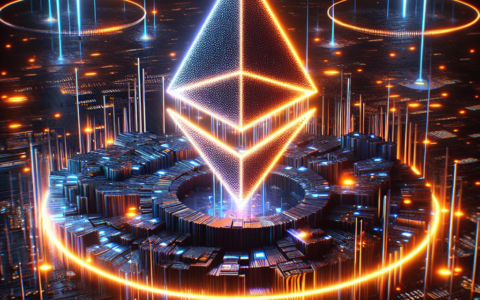
Ethereum Foundation Reaches 70,000 ETH Staking Milestone
The Ethereum Foundation has achieved a crucial milestone by stoking 70,000 ETH, generating $4-5 million annually. Explore what this means for the crypto world.
-

Securitize and NYSE: The Future of On-Chain Equities
Explore how Securitize and NYSE are bringing tokenized equities to the blockchain, transforming the investment landscape and enhancing market access.
-
Paris Blockchain Week 2026: A Historic Crypto Event
The Paris Blockchain Week 2026 is set to be a landmark event featuring President Macron and financial leaders discussing the future of digital assets.