-

USDT in Europe: Why You Should Switch to USDC Now
MiCA regulation requires licensed platforms to delist non-compliant stablecoins like USDT by January 2027. European crypto users should consider switching to USDC now to avoid last-minute restrictions, higher conversion costs, and limited liquidity. Here’s what you need to know and how to make the move smoothly.
-

Bitcoin Rebounds Above $80K: Buyers Step In as Asian Markets Rally
Bitcoin quickly bounced back to $82,500 after briefly dipping below $80,000, fueled by a recovery in Asian stock markets. The rapid rebound highlights strong buying interest at key support levels and Bitcoin’s growing ties to global macro sentiment.
-
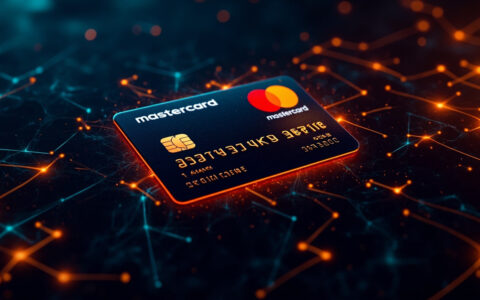
Mastercard Launches Global Money Platform with Stablecoins
Mastercard has launched its Global Money Platform, integrating stablecoins and traditional currencies through its $1.8 billion BVNK acquisition. The move signals major institutional adoption of blockchain-based payments and could reshape how money moves globally.
-

Judge Refuses to Erase Gemini $5M CFTC Settlement
A federal judge denied a joint request from Gemini and the CFTC to overturn their $5 million settlement, leaving the penalty and permanent injunction in place. The case highlights how crypto regulatory decisions carry long-term consequences, even when agencies later walk back their claims.
-

BlackRock Sells $71M Bitcoin: What ETF Redemptions Mean for BTC
BlackRock sold $71.78 million in Bitcoin as ETF redemptions pile up. Here’s what this institutional move signals about market sentiment and what it means for Bitcoin’s price outlook.
-

Deutsche Bank to Launch Bitcoin Custody Service Soon
Deutsche Bank is set to launch its Bitcoin custody service within weeks, marking a major milestone for institutional crypto adoption. The move signals growing acceptance of Bitcoin by traditional European finance and could open the door to more institutional investment.
-

Russia to Ban P2P Crypto Trading in 2027: What You Need to Know
Starting July 1, 2027, Russia will ban peer-to-peer (P2P) crypto trading between individuals, according to the Bank of Russia. All transactions must go through licensed intermediaries, marking one of the country’s biggest crypto policy shifts yet.
-

Coinbase & Marqeta Bring Stablecoin Payment Cards to Businesses
Coinbase has expanded its partnership with Marqeta to introduce stablecoin-backed payment cards for businesses, enabling 24/7 funding and seamless crypto spending through existing card networks worldwide. The move signals growing institutional confidence in stablecoin infrastructure for everyday commerce.