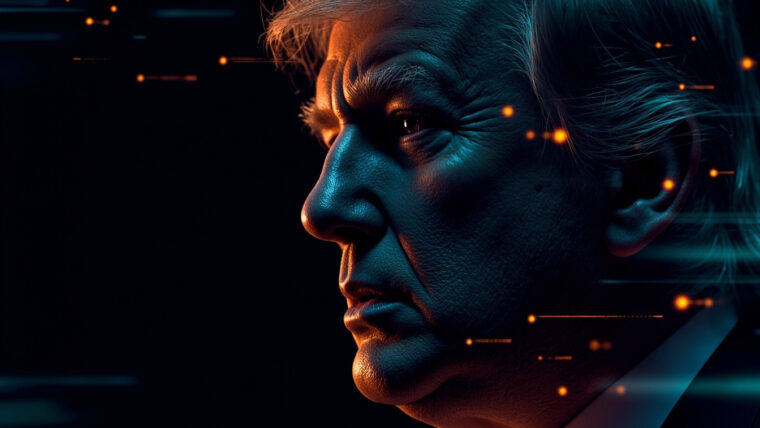
The cryptocurrency industry in the United States is on the edge of a major regulatory milestone. Senator Cynthia Lummis, one of the most vocal pro-crypto voices in Washington, has publicly credited former President Donald Trump for what she calls the “toughest ethics reform” tied to the upcoming Clarity Act vote. As the bill heads toward a pivotal Tuesday vote, the implications for Bitcoin, digital assets, and the broader crypto market are enormous.
What Is the Clarity Act?
The Clarity Act is a piece of proposed legislation designed to bring much-needed structure to how digital assets are regulated in the United States. Think of it as a rulebook that finally decides who is in charge of overseeing different parts of the crypto world. Currently, there is confusion between agencies like the Securities and Exchange Commission (SEC) and the Commodity Futures Trading Commission (CFTC) about which cryptocurrencies count as securities (like stocks) and which count as commodities (like gold or oil).
By drawing clearer lines, the Clarity Act aims to give crypto companies, investors, and developers a predictable framework. Predictability is critical because uncertainty has long pushed innovation away from the United States and toward friendlier jurisdictions in Europe and Asia.
Lummis Credits Trump for the Ethics Deal
Senator Lummis made headlines by praising Trump’s role in pushing for ethics reform alongside the bill. According to Lummis, the negotiation process produced the “toughest ethics reform” the U.S. has seen in recent memory. For those unfamiliar, ethics reform in Congress usually refers to rules around transparency, conflicts of interest, and lobbying disclosures.
For the crypto community, this is significant because it suggests that the bill is not just about digital assets, but also about restoring trust in how financial rules are made. When politicians attach ethics provisions to financial legislation, they are essentially saying, “We are going to regulate this industry fairly, and here is proof that we are cleaning up the process.”
Why the Tuesday Vote Matters
Tuesday’s vote is shaping up to be a defining moment for U.S. crypto policy. If the Clarity Act advances, it could:
- Define which agency regulates which type of crypto asset
- Provide a legal framework for stablecoins and tokenized assets
- Open the door for banks and institutional investors to enter the crypto space with confidence
- Reduce the chances of enforcement actions that have plagued the industry for years
If the bill stalls, the crypto industry may face another stretch of regulatory ambiguity, which historically has led to declining investment and project migration overseas.
What This Means for Bitcoin Holders and Investors
For everyday Bitcoin investors, regulatory clarity is not just political theater. It directly affects how safely you can buy, store, and trade your crypto. Clearer rules often lead to more mainstream adoption, which can translate into higher demand and, potentially, higher prices. However, rules can also introduce compliance requirements that some smaller projects may struggle to meet.
If you are looking to hold crypto long term, consider securing your assets in a hardware wallet like Ledger. Hardware wallets keep your private keys offline, which is one of the safest ways to protect your digital assets from hackers.
How to Prepare for Regulatory Changes
Whether you are a casual holder or an active trader, here are some practical steps to stay ahead of any regulatory shifts:
1. Use Regulated Exchanges
Stick to well-known, compliant platforms such as Kraken or, if you are based in Europe, Bitvavo. Regulated exchanges are more likely to adapt quickly to new rules and continue serving U.S. (or European) customers.
2. Keep Detailed Records
Tax authorities worldwide are paying closer attention to crypto transactions. Maintain records of your buys, sells, and transfers so you are ready if reporting requirements change.
3. Stay Informed
Policy changes can happen fast. Follow credible crypto news outlets, listen to industry podcasts, and pay attention to congressional hearings.
4. Understand Custody Options
As institutional players enter the market, custody solutions (the way crypto assets are stored and managed) will evolve. Knowing the difference between self-custody and exchange custody helps you make informed decisions about risk.
The Bigger Picture: Crypto and U.S. Politics
The partnership between Lummis and Trump on the Clarity Act signals something bigger: crypto is now a bipartisan talking point that politicians cannot ignore. While Democrats and Republicans may still disagree on the details, there is growing agreement that the United States needs a coherent digital asset strategy to remain competitive globally.
For the crypto industry, this kind of political momentum is rare and valuable. It could mark the beginning of an era where the U.S. is no longer playing catch-up but actively shaping the future of money.
Final Thoughts
The Clarity Act is more than just another bill. It represents a potential turning point for cryptocurrency regulation in the United States. Senator Lummis’s praise of Trump for the ethics component shows that the legislation carries weight beyond digital assets, touching on broader questions of trust and transparency in government. With the Tuesday vote approaching, all eyes in the crypto world will be on Washington.
Regardless of the outcome, the smart move for any crypto holder is to stay informed, use secure tools to protect your assets, and trade on reputable platforms. Clarity is coming, and being prepared is the best strategy.