Understanding Iran’s Crypto Tolls on the Strait of Hormuz
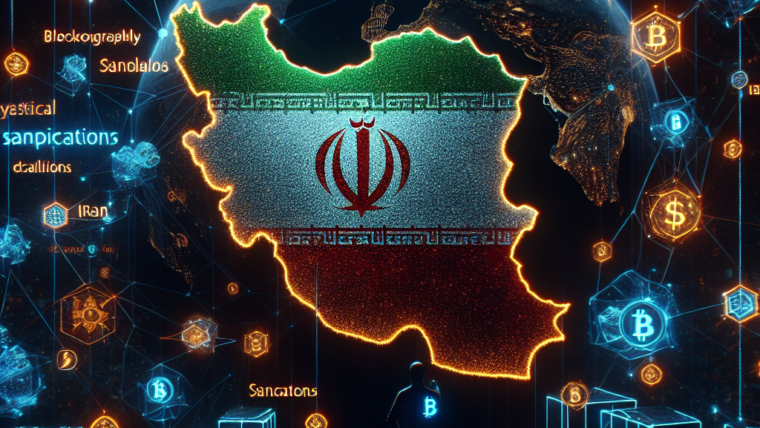
The recent announcement regarding Iran’s implementation of crypto tolls on traffic through the Strait of Hormuz marks a significant moment in the world of cryptocurrencies and government usage. This strategic move highlights the evolving role of digital currencies in state affairs, particularly concerning issues of power and sanctions evasion.
What Are Crypto Tolls?
Crypto tolls are fees collected in cryptocurrency for the privilege of using a particular route—such as a highway, bridge, or in this case, a maritime passage. In Iran’s case, the tolls are managed through blockchain technology, allowing for transparent and secure transactions, which can be more challenging to trace than traditional currency movements.
The Context of the Strait of Hormuz
The Strait of Hormuz is one of the world’s most critical chokepoints for oil transportation, with a significant portion of global crude oil passing through. By leveraging blockchain technology, Iran is not merely modernizing its toll collection system but also finding innovative methods to evade economic sanctions imposed by various countries. This use of crypto is seen as a strategic maneuver by the Islamic Revolutionary Guard Corps to enhance revenue streams.
Blockchain’s Role in State Adoption
According to analysts at Chainalysis, Iran’s crypto tolls represent a breakthrough in how governments can adopt blockchain for various state functions, particularly in managing and monetizing important assets. The transparent nature of the blockchain is a double-edged sword; while it allows for easier tracking of transactions, it also presents challenges when it comes to regulation and oversight.
Impact on the Global Crypto Landscape
This development could have broader implications for the global cryptocurrency market. Governments worldwide may observe Iran’s actions and consider adopting similar systems. As the use of digital currencies for state purposes grows, it raises questions around regulation and the legitimacy of using such technologies for sanctions evasion. Exchanges like Binance will become crucial in facilitating these transactions.
Security Considerations
While the potential benefits of using blockchain technology for state purposes are significant, security remains a paramount concern. Cryptocurrency exchanges and wallets must implement robust security measures to protect users. High-quality options such as Ledger hardware wallets ensure that individual users can safely store their digital assets.
Conclusion: A Turning Point for Crypto Adoption in Governance
Iran’s implementation of crypto tolls is not just a notable development in the region; it represents a critical turning point for the adoption of cryptocurrencies by nation-states. This shift could lead to more countries investigating how they can integrate digital assets into their financial systems while exploring methods to bypass economic sanctions. As blockchain technology continues to evolve, its impact on governance could prove profound, paving the way for a new era of digital finance.
Interested in exploring the world of crypto trading? Sign up with Kraken or other platforms to learn more and get started!