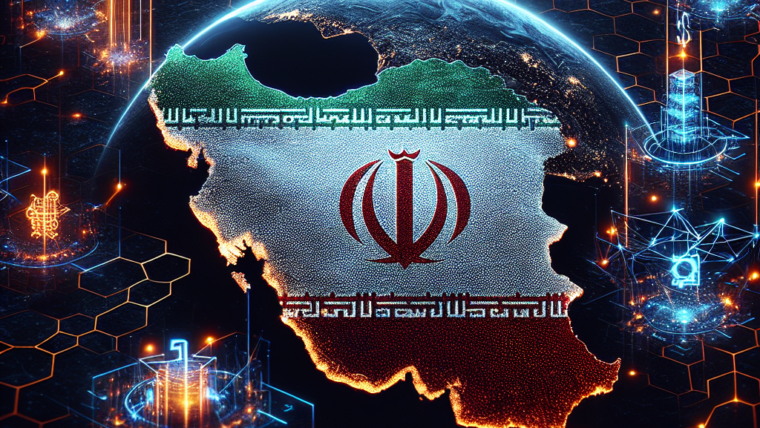
Understanding the Intersection of Crypto and Geopolitical Tensions
As cryptocurrency gains traction around the world, it increasingly enters complex geopolitical landscapes. A recent report from Chainalysis reveals that making payments to Iran using crypto might expose maritime companies to international sanctions. This development raises critical questions about the balance between financial innovation and regulatory risk.
What Are the Risks Involved?
According to Chainalysis, engaging in cryptocurrency transactions linked to Iran could lead to substantial risks for maritime businesses. These risks are primarily due to the existing sanctions imposed on Iran by various nations. Sanctions are restrictive measures adopted by countries to limit or prohibit trade and financial transactions with specific entities or nations. Essentially, if a maritime company pays Iranian entities using cryptocurrencies, it could face penalties or restrictions from other governments.
The Role of Blockchain Technology
Blockchain, the underlying technology for cryptocurrencies, offers a decentralized and transparent way to conduct transactions. This technology helps ensure data integrity and security. However, its advantages can also be a double-edged sword, especially in sensitive geopolitical contexts. While blockchain can facilitate cross-border payments without traditional banking intermediaries, it also raises red flags for regulators when linked to countries under sanctions.
Maritime Industry’s Dilemma in Financial Innovation
The maritime industry is known for its complexity, involving numerous regulations and compliance requirements. With rising costs and increasing operational pressure, many players are exploring innovative financial solutions, including cryptocurrencies. The ability to make quick, seamless transactions is attractive. On the other hand, the challenge lies in ensuring these operations align with international laws.
Chainalysis Findings: A Call to Caution
Chainalysis’s report serves as a crucial reminder for companies in the maritime sector. The platform emphasizes that while the use of crypto can be appealing, maritime firms should exercise caution. Due diligence is necessary, and companies must assess their transactions to avoid inadvertently violating sanctions. This process may involve consulting with legal experts who specialize in international trade and crypto regulations.
Staying Compliant in the Evolving Crypto Landscape
For maritime companies, staying compliant with regulations is paramount. As the industry navigates through the rapidly changing waters of cryptocurrency, companies can take several steps. One recommendation is to invest in secure storage solutions like hardware wallets from Ledger, ensuring that their crypto assets remain safe. Furthermore, using reputable exchanges such as Binance or Kraken can provide clarity and safety when entering the crypto market.
Conclusion: Navigating the Future of Crypto in the Maritime Sector
The intersection of cryptocurrency and geopolitical tensions presents both opportunities and challenges for maritime companies. The insights from Chainalysis highlight the importance of vigilance in navigating this complex landscape. By staying informed about regulations and taking appropriate precautions, maritime firms can potentially harness the benefits of crypto while minimizing legal risks. Ultimately, companies that prioritize compliance and strategic planning will be better positioned to thrive in an evolving crypto environment.