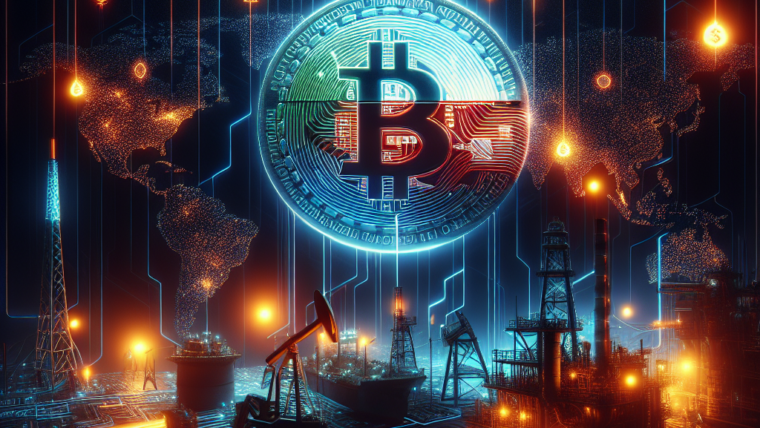
Iran’s New Move: Bitcoin Payments for Oil Transit
The world of cryptocurrency is always evolving, and recent news from Iran has drawn attention to an exciting yet controversial development. The Iranian government is now requiring traders to pay “transit fees” in Bitcoin (BTC) for every barrel of oil that passes through the crucial shipping lane known as the Strait of Hormuz. In this article, we’ll explore what this means for the global oil market and the broader implications for cryptocurrency.
Understanding the Context
The Strait of Hormuz is a vital waterway through which a significant proportion of the world’s oil supply is transported, making it a key strategic point in global trading. Iran’s decision to accept Bitcoin payments is not just about embracing digital currencies; it reflects a broader strategy to circumvent economic sanctions imposed by other countries.
Why Bitcoin?
Bitcoin, the first and most well-known cryptocurrency, provides several advantages that traditional currencies do not. Transactions can be conducted quickly and without the need for intermediaries, and it operates on a decentralized network, meaning that it is less susceptible to government regulation and interference.
This approach allows Iran to generate revenue in a way that is difficult for foreign powers to track and control. In a time when many countries are imposing sanctions, Bitcoin provides a lifeline to nations like Iran, enabling them to maintain and grow their economic activities despite international pressures.
The Implications for the Oil Market
By requiring Bitcoin payments, Iran could potentially attract new buyers who are already involved in the cryptocurrency space. This could lead to a shift in how oil transactions are traditionally conducted. If traders find Bitcoin payments more efficient, we could see a larger trend toward utilizing cryptocurrencies in global trade.
However, the risks are also significant. The price of Bitcoin can be highly volatile, which could create uncertainty for both Iran and its buyers, especially when dealing with large oil shipments. Moreover, adopting Bitcoin as a payment method also poses challenges related to the security of transactions, as well as the need for parties to have an understanding of how cryptocurrency operates.
How to Get Involved in Bitcoin
If you’re interested in exploring Bitcoin further, consider starting with a reputable cryptocurrency exchange such as Binance or Kraken. These platforms allow users to buy, sell, and trade cryptocurrencies easily. Additionally, securing your Bitcoin investments is crucial; consider using a hardware wallet like Ledger to keep your digital assets safe.
Conclusion: A Pivotal Moment for Crypto
Iran’s decision to mandate Bitcoin payments for oil transit can be seen as a turning point for both the global oil market and the adoption of cryptocurrency. It showcases how countries can leverage digital currencies not just for innovation but as a strategic financial tool to navigate international relations and economic challenges. As cryptocurrency continues to rise in prominence, it will be fascinating to see if other nations follow suit and what this means for the future of global trade.