Introduction: The New Role of Bitcoin in Global Trade
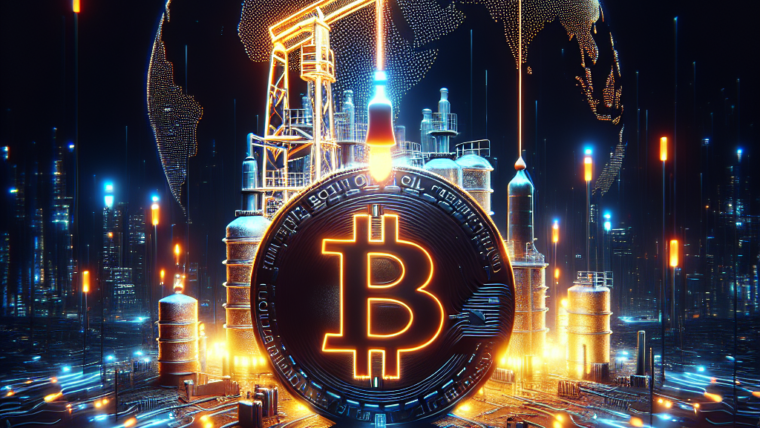
In a surprising turn of events, Iran has mandated all ships passing through the vital Strait of Hormuz to pay their transit fees in Bitcoin. This groundbreaking decision marks a significant shift in how countries are beginning to embrace cryptocurrency, particularly Bitcoin, as a legitimate means of transaction in global trade. But what does this mean for Bitcoin’s price?
The Iranian Decision: A Global Game Changer?
The Strait of Hormuz is one of the world’s most crucial oil transit chokepoints, accounting for a large percentage of the world’s oil supply. By requiring transit fees to be paid in Bitcoin, Iran is not only boosting the legitimacy of cryptocurrency but also potentially increasing its demand. As more countries and industries consider similar adaptations, we might witness a considerable appreciation in Bitcoin’s worth.
How Bitcoin is Paving the Way for New Transactions
Bitcoin operates on a decentralized network, meaning transactions occur directly between users without the need for intermediaries like banks. This can lead to faster, cheaper, and more secure transactions. Iran’s move could encourage other nations to explore the features of cryptocurrency, and the adoption could reach new heights in sectors such as oil, gas, and beyond.
The Current State of Bitcoin Prices
As of now, Bitcoin has shown signs of recovery, marking a steady increase over the last two weeks. Analysts have observed a bullish pattern forming on the daily chart, indicating a revival in investor confidence. This newfound optimism comes at a time when the demand for Bitcoin could surge due to Iran’s adoption.
What This Means for Investors
With Iran setting a precedent, investors might see Bitcoin not just as a form of digital currency but as a crucial element of international commerce. This may lead to more volatility in Bitcoin’s price, which could be both an opportunity and a risk. Keeping your investments secure is essential. For this reason, consider using a reputable hardware wallet like Ledger for safely storing your cryptocurrencies.
Bitcoin vs. Traditional Currencies
The move by Iran also raises questions about the future of traditional currencies. With Bitcoin being globally accessible and decentralized, it challenges the status quo of national currencies regulated by governments. As countries consider the advantages of cryptocurrency, we could see a shift towards a more digitally-driven economy.
Opportunities in Cryptocurrency Trading
The landscape of cryptocurrency trading is continuously evolving, with platforms like Binance and Kraken providing easy access to buying and selling Bitcoin. Investors looking to capitalize on the upcoming developments in the crypto market should consider leveraging these platforms.
Conclusion: The Future of Bitcoin in Global Commerce
Iran’s adoption of Bitcoin for oil transit fees could be a pivotal moment for cryptocurrency, signaling its potential integration into mainstream commerce. As prices recover and demand potentially increases, investors should stay informed about market trends and consider the implications of this decision. Keep your investments secure, and explore reputable exchanges to navigate the exciting world of cryptocurrency.